Perspectives 2026 de l'Approvisionnement en Chine : Tendances, Defis et Opportunites
- Partager
- Heure de diffusion
- 2026/9/30
Résumé
The 2026 Perspectives de l'Approvisionnement en Chine: five Tendances reshaping procurement, the tariff and regulatory Defis, where the Opportunites lie, and how RND adapts.

Perspectives 2026 de l'Approvisionnement en Chine : Tendances, Defis et Opportunites
China remains the world's manufacturing core, but the ground is shifting fast. Cross-border E-commerce, AI-driven Controle qualite, and stricter regulation are rewriting the importer's playbook in 2026. Drawing on 20+ years sourcing in Yiwu, this Perspectives distills the Tendances et Defis, and openings that should shape your sourcing plan this year.
The State of Achat en Chine in 2026
China is still the default source for scale and supply-chain depth, and cross-border trade keeps growing. China's cross-border E-commerce Marche is forecast at 4.43 trillion RMB in 2026, up 16.3% from 2025, while global cross-border E-commerce is set to pass 6.5 trillion USD. The question is no longer 'should I source from China' but 'how do I source smarter'.
Trend 1: Sustainability and Ethical Sourcing
Buyers and regulators now treat ESG as a sourcing filter, not a slogan. Stricter environmental rules in China mean non-compliant factories risk delays or rejection, and Western importers face their own due-diligence laws. Ethical, documented supply chains are becoming a license to sell, especially in the EU and North America.
- Environmental permits and audits are now a precondition for stable supply
- Buyers demand traceable Materiaux and verified labor practices
- Green positioning opens premium segments and protects brand reputation
Trend 2: Digital Transformation in Supply Chain
Visibility is the new baseline. Importers expect real-time order tracking, digital inspections, and data shared across the chain. Platforms and agent dashboards turn a black-box process into a managed one, cutting the surprise delays that used to be accepted as normal.
Data beats guesswork
Digital tracking and shared inspection data let you act on a delay before it becomes a stockout. Explore our managed sourcing.
Trend 3: Rising Manufacturing Costs and Offshoring Alternatives
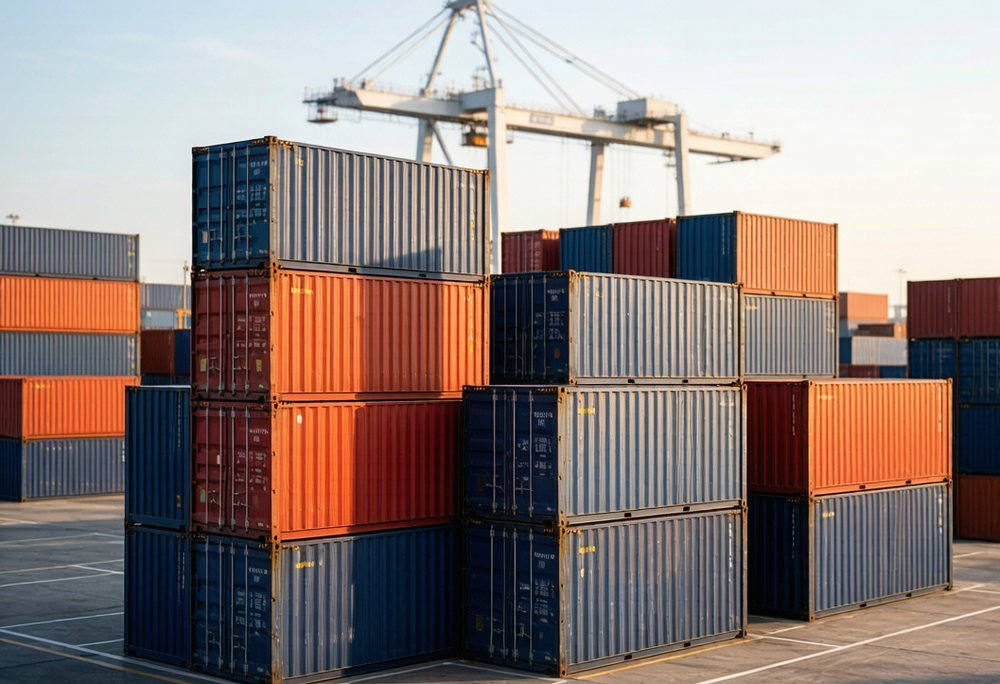
Coastal Chinese wages have climbed about 10-15% a year over the past decade, pushing labor-intensive work inland or to Vietnam, where monthly manufacturing pay runs roughly 271-330 USD against China's 700-1,250 USD. Yet the 'China+1' story is not one-way: in 2026 some Chinese firms began moving capacity back from Vietnam and India as those wages rose and supply-chain gaps showed up. China still wins on component depth and speed.
| Factor | China | Vietnam | |
|---|---|---|---|
| Monthly mfg wage | $700-1,250 | $271-330 | |
| Supply-chain depth | Deep, integrated | Still building | Best for |
| Labor-intensive goods | Cost pressure | Cost advantage | |
| Component-heavy goods | Strong value | Weaker fit |
Trend 4: AI and Automation in Controle qualite
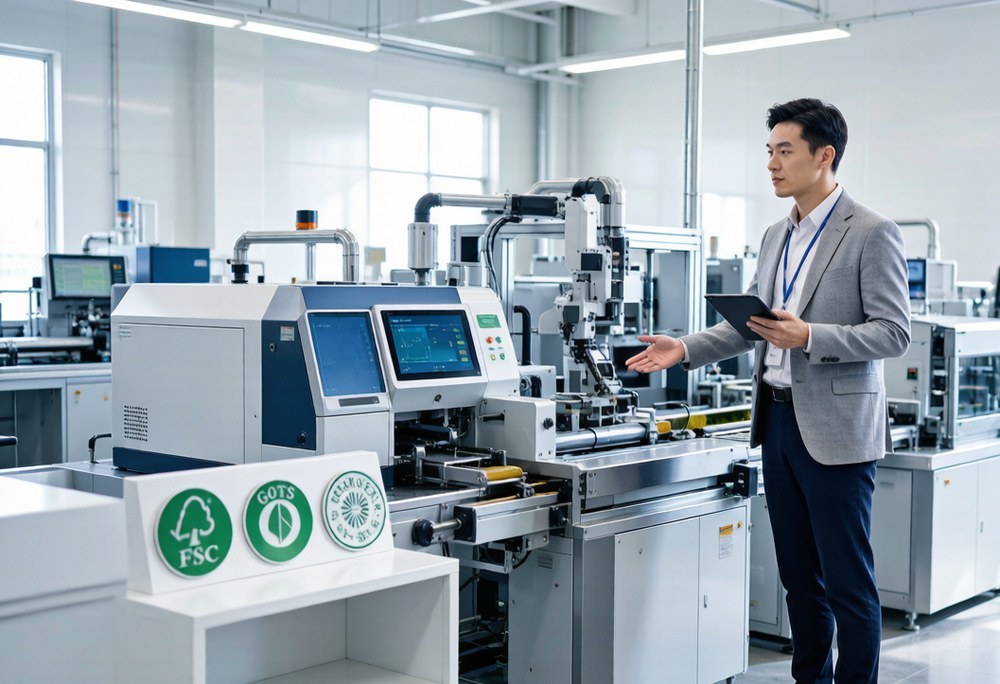
Controle qualite is going from human eye to machine vision. China's smart-manufacturing inspection Marche passed 20 billion RMB in 2025, with AI-driven visual inspection over half of it. In one automotive case, AI raised defect detection from 92% to 99.99% (Xinhua, 2026). An eight-ministry 'AI+Manufacturing' plan for 2026 targets 3-5 general models, 1,000 industrial AI agents, and 500 deployed scenarios.
Trend 5: Cross-Border E-commerce Growth
Cross-border E-commerce is the fastest-growing channel and the engine pulling small-batch sourcing. China's Marche grows 16.3% in 2026, driven by platforms like Temu and AliExpress and by new buyer markets in Southeast Asia and Latin America. For importers, that means shorter runs, faster refresh, and heavier reliance on agile suppliers.
- China cross-border E-commerce Marche: 4.43 trillion RMB in 2026 (+16.3%)
- Southeast Asia E-commerce penetration rose from 15% in 2020 to 32% in 2025
- Platforms reward fast, compliant sellers with lower MOQ and quicker turnaround
Defis: Tariffs, Regulations, Competition
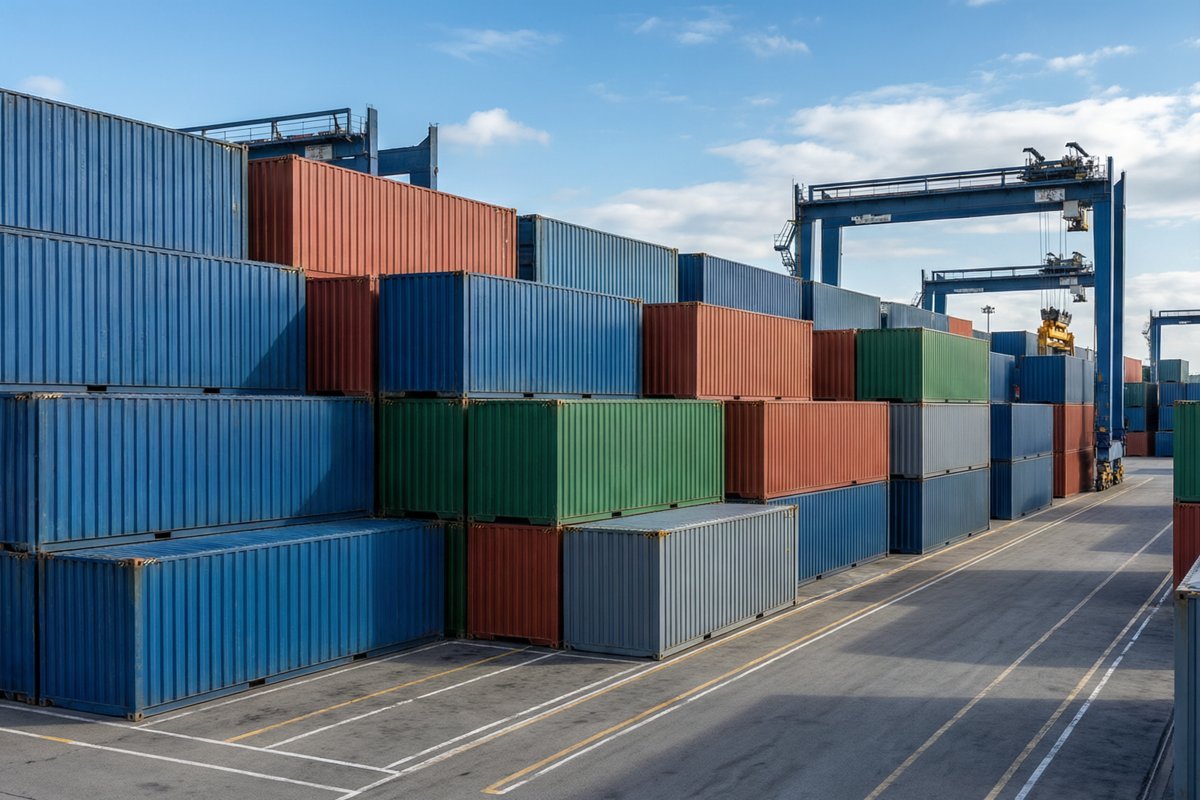
The headwinds are real. Effective US baseline tariffs on many Chinese goods exceeded 100% in early 2025, and Section 301 duties of 7.5-25% remain on a wide range. Compliance paperwork is thickening, and competition from other importers and from near-shoring pressures margins. None of these is fatal, but all must be priced in.
- Tariffs: baseline rates above 100% on many goods, plus Section 301 duties
- Regulation: tighter ESG, safety, and labeling rules across major markets
- Competition: more sellers and shifting production geography compress margins
Opportunites: Niche Products, Innovation, Partnership
Where there is turbulence, there is edge. Niche and customized products resist price competition better than commodities. Innovation in Materiaux and packaging opens premium lanes. And a true partnership with an on-ground agent turns volatility from a threat into an advantage through faster reaction and better information.
Compete on agility, not just price
Niche products and a responsive supply chain beat a race-to-the-bottom on commodities. Start a Produit conversation with us.
How RND Adapts to the Changing Landscape
RND Sourcing is built for this environment. We run a vetted, sustainability-checked Usine network, track orders digitally, fold AI-assisted inspection into our QC, and dual-source to blunt tariff and disruption risk. Twenty-plus years in Yiwu mean we read cost and policy shifts early and pass that to clients as actionable advice, with transparent fees and no Fournisseur kickbacks.
Conclusion
2026 rewards the adaptable. Sustainability, digital visibility, AI Controle qualite, and cross-border growth are the tailwinds; tariffs, regulation, and competition are the headwinds. Importers who pair a flexible China base with a trusted on-ground partner will source through the noise and capture the openings.
What are the top Achat en Chine Tendances in 2026?
The five leaders are sustainability and ethical sourcing, digital supply-chain visibility, rising costs with selective offshoring, AI-driven Controle qualite, and fast cross-border E-commerce growth.
Are manufacturing costs pushing sourcing out of China?
Coastal wages keep rising, so labor-intensive work moves to Vietnam or inland, but China retains the edge on component depth and speed; some firms even relocated capacity back in 2026 as alternative costs rose.
How is AI changing Controle qualite in China?
AI visual inspection lifted defect detection from 92% to 99.99% in one case, and China's smart-manufacturing inspection Marche passed 20 billion RMB in 2025 with AI over half of it.
Is cross-border E-commerce still growing from China?
Yes. China's cross-border E-commerce Marche is forecast at 4.43 trillion RMB in 2026, up 16.3% year on year, pulling demand for smaller, faster, more agile sourcing.
If you want a 2026 sourcing plan built for both the tailwinds and the headwinds, send us your Produit idea and we will map it out.
Sources & Further Reading
According to Yiwu Customs (2025) annual Importation/Exportation bulletins and two decades of hands-on sourcing at RND Sourcing, the steps and figures above reflect current Marche practice. Before you commit Budget, Verifier the details against the primary sources:
Official trade data — Yiwu Customs and your national customs authority publish yearly Importation/Exportation statistics.
Produit & safety standards — ISO 9001 for quality systems, plus the marks your Marche requires (CE for the EU; FCC/UL for the US; CPSC/FDA where applicable).
Fournisseur Verification — third-party Usine audits and inspection records, not only the Fournisseur's own claims.
Figures follow the most recent published period; regulations shift, so confirm with the relevant authority before placing an order.
Work With RND Sourcing
RND Sourcing is your on-the-ground sourcing team in Yiwu, helping global buyers find reliable factories, negotiate better terms, and ship with confidence. For a free, no-obligation consultation, visit yourchinagent.com.